
Langlois, Eustache-Hyacinthe
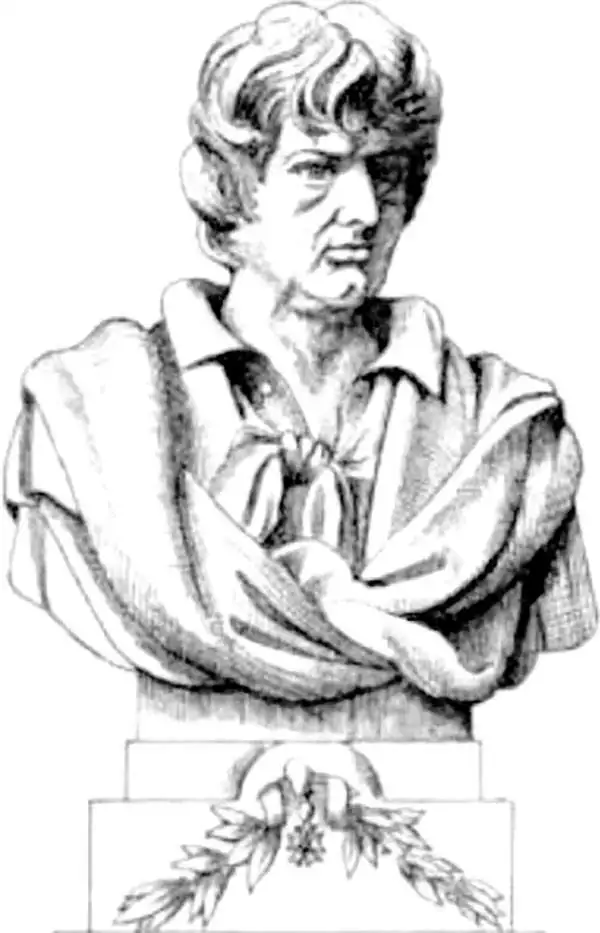
Eustache-Hyacinthe Langlois (August 3, 1777 - September 29, 1837) was a French artist, draftsman, and engraver. He was born in Pont de l'Arche; his father was an advisor to the king and Master of Forestry on the eve of the French Revolution. Langlois the younger was imprisoned during the French Revolution but was released and began to study art in 1793 at the École de Mars in Paris under Jacques-Louis David. After serving in the French military, he studied with Anicet Charles Gabriel Lemonnier and David once again. From about 1806 to 1816, he entered a difficult period in his career where he published little, though his focus was directed towards maps and atlases at the time. After moving to Rouen in 1816, his fortunes began to improve and he gradually became a fixture in the city's artistic life (among his students was the novelist Gustave Flaubert). Living in Rouen, as well as a strong religiosity born of his experiences during the French Revolution and Napoleonic era, encouraged him to focus on churches and gothic architecture in his art. Langlois trained both his daughter Espérance and his son Polyclès in drafting and engraving. After his death, works continued to be published, presumably by his children, until about 1852 with the attribution 'chez Hyacinthe Langlois.'
We're Still Hunting
We don't yet have any maps by this cartographer in stock — but that's more a matter of timing than availability. New acquisitions arrive regularly, and pieces from this maker do surface. Check back soon, or reach out if you're specifically looking for one — we're always happy to keep an eye out.
Have a map by this cartographer you're looking to sell? We'd love to hear from you.