
La Vérendrye, Pierre Gaultier de Varennes et de
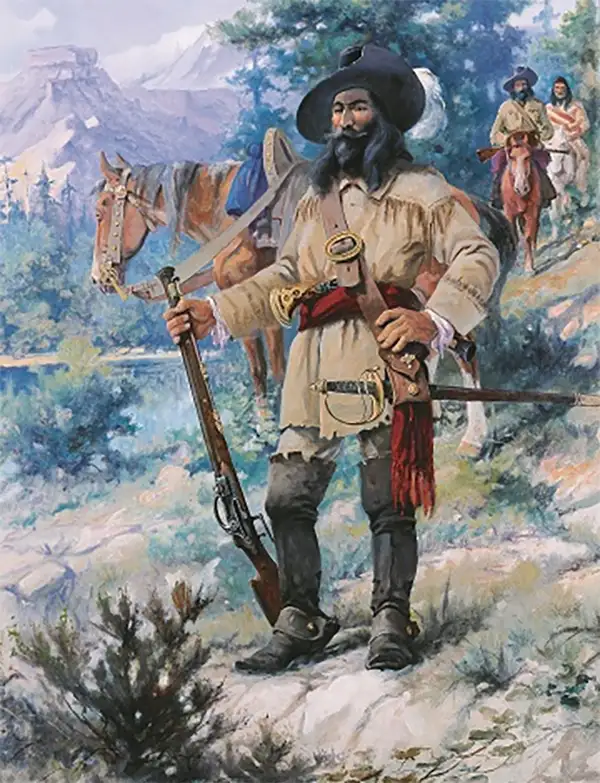
Pierre Gaultier de Varennes et de La Vérendrye (November 17, 1685 - December 5, 1749) was a French Canadian military officer, fur trader, and explorer whose expeditions transformed European knowledge of the vast interior west of Lake Superior. Born at Trois-Rivières (Québec, Canada) into a family of minor nobility, he entered the colonial marines as a boy, fought in Queen Anne's War (1702 - 1713), and later served in Flanders during the War of Spanish Succession (1701 - 1714), where he was seriously wounded at Malplaquet. Returning to New France, he pursued farming and the fur trade before assuming command of the Poste du Nord in 1728. Inspired by Indigenous accounts - most notably a Cree map supplied by the guide Auchagah - La Vérendrye became convinced that Lake Winnipeg offered the key to a River of the West leading ultimately to the Pacific. Beginning in 1731, he, his sons, and their associates pushed French exploration across the waterways and portages west of Lake Superior, establishing a chain of trading posts that included Fort Saint-Pierre on Rainy Lake, Fort Saint-Charles on the Lake of the Woods, Fort Maurepas near Lake Winnipeg, Fort La Reine on the Assiniboine, and forts Dauphin, Bourbon, and Paskoya farther north and west. In 1738, La Vérendrye traveled across the northern plains to the Mandan country of present-day North Dakota, becoming the first known European to reach that region, while two of his sons later advanced as far as the vicinity of the Big Horn Mountains in present-day Wyoming, becoming the first Europeans confirmed to have seen the Rocky Mountains north of New Mexico. Although La Vérendrye never discovered the long-sought passage to the Pacific, his expeditions extended French influence deep into the continental interior, generated important new maps and geographic intelligence, and laid the foundations for the later exploration of western Canada. Reappointed to his western command in 1746 and awarded the Order of Saint Louis shortly before his death, he died in Montreal in 1749 while preparing another expedition, leaving behind one of the most consequential legacies in the history of French exploration in North America.
We're Still Hunting
We don't yet have any maps by this cartographer in stock — but that's more a matter of timing than availability. New acquisitions arrive regularly, and pieces from this maker do surface. Check back soon, or reach out if you're specifically looking for one — we're always happy to keep an eye out.
Have a map by this cartographer you're looking to sell? We'd love to hear from you.