
Close, Albert
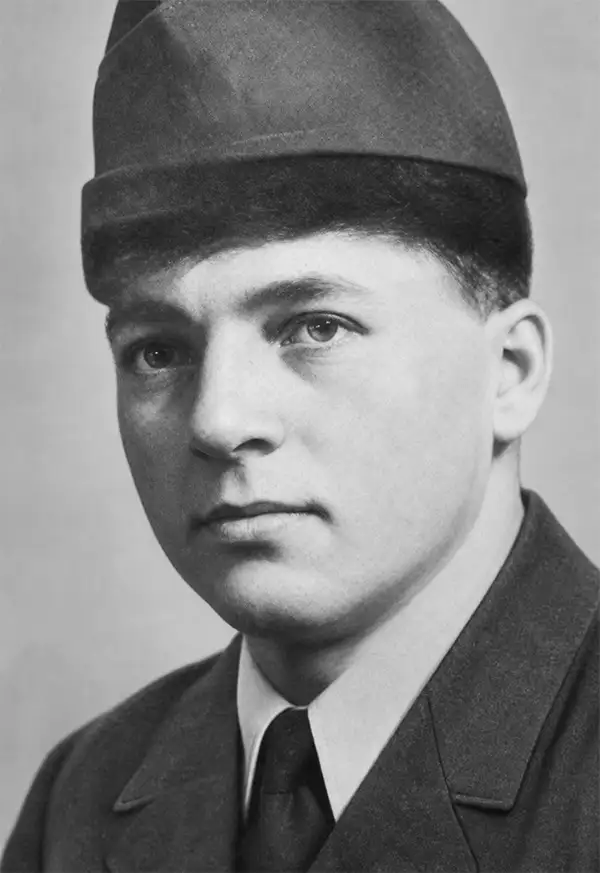
Albert Close (fl. c. 1904 - 1961) was an eccentric British-Canadian publisher of nautical charts that collaborated with map publishers on both sides of the Atlantic, especially Edward Stanford. Close was primarily based in Ilford, in East London, a suitable location for a publisher with a nautical focus. Rather than being a hydrographer himself, Close compiled information from a wide range of published surveys, appealing to fishermen and other frequent travelers in the North Atlantic and North Sea. Close is perhaps best known for his meticulously detailed World-War I-era map The Naval War in the North Sea. He also appears to have been a frequent author of Anti-Catholic screeds. Also, he was well-known for repeatedly petitioning the Royal Commission on Awards to Inventors during the 1920s, claiming to have invented an important electric anti-submarine net used against German U-boats during World War I (1914 - 1918). After being barred from the meetings of the Commission for 'creating disturbances,' Close became a minor news item throughout Britain in 1922 - 1923 when he tried on at least three occasions (succeeding twice) to sneak into a meeting of the Commission wearing a disguise and loudly present a petition. Close was also involved in politics, standing unsuccessfully for Parliament as a Labour candidate against Sir Auckland Geddes, who was the British Ambassador to the U.S. in the early 1920s.
Postwar Rebound of Atlantic Fishing Industry.
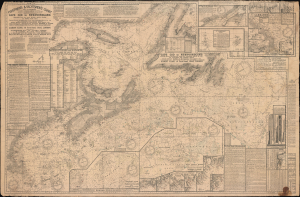
Fishermen and Yachtmen's Chart Cape Cod to Newfoundland.
$950.00
Acquire
- Digital Map Information
- Suitable for large format printing
- Full resolution TIFF file
- ICC color profile embedded
- Delivered instantly via download link
This is a 1929 / 1946 Albert Close nautical chart / map of the Atlantic Coast of North America, covering from Cape Cod to Newfoundland. Intended for fishermen, this information-dense chart was published in the immediate aftermath of World War II (1939 - 1945) and reflects the gradual return to a peacetime fishing economy. (more details)