
Davis, Theodore R. (sold)
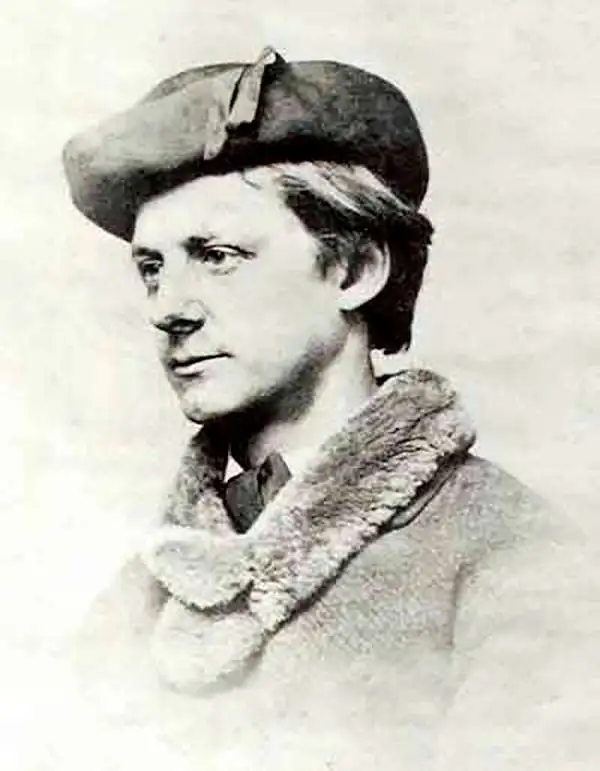
Theodore R. Davis (July 22, 1841 – November 10, 1894) was an American artist-correspondent and illustrator active in the later part of the 19th century. Much of his work was prepared for and published by Harper's Weekly. Davis is best known for his many drawings of important military and political events during the American Civil War, in which he was twice wounded. Although a northerner, throughout the war he traveled incognito throughout the Southern States in the party of the London Times correspondent, Britisher, William H. Russell. After the war Davis continued to work for Harper's covering the Reconstruction and the Westward Expansion. He was the first to document the Sioux Indians in 1865, observed General Custer during the Indian Wars in 1867-68, and traveled with Winfield Scott Hancock’s failed Indian Peace Expedition. In retirement he wrote a treatise titled, "How a Battle is Sketched." His remains are interred at Hazelwood Cemetery, Rahway, New Jersey.
Uncommon Bird's-Eye View of Chicago just before the Great Fire.
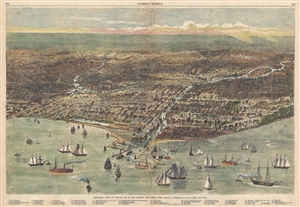
Birds's-Eye View of Chicago as it was Before the Great Fire - Drawn by Theodore R. Davis.
sold
- Digital Map Information
- Suitable for large format printing
- File Size: 12.16 MB
- File Type: ZIP / TIFF
- ICC color profile embedded
- Delivered instantly via download link
An attractive example of Theodore R. Davis' 1871 view of Chicago as it appeared before the Great Chicago fire of October 10, 1871. This view was drawn about 10 days after the fire for publication in October 21, 1871 issue of Harper's Weekly . The view presents ... (more details)
Philadelphia's grand exposition.
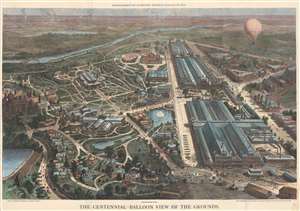
The Centennial-balloon view of the grounds...
sold
- Digital Map Information
- Suitable for large format printing
- File Size: 148.3 MB
- File Type: ZIP / TIFF
- ICC color profile embedded
- Delivered instantly via download link
This spectacular bird's-eye view of the 1876 Philadelphia Centennial Exposition appeared as a special supplement to Harper's Weekly on September 30, 1876. Taking in the entire grounds, it displays the grand scale and vast ambitions of the exposition. (more details)