
1970 Jaidah Bilingual Geological and Petroleum Map of Qatar

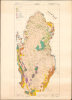
Qatar Geological Map / خريطة قطر الجيولوجية.
ميلاد طفرة النفط في قطر، تم إعداده عشية الاستقلال.
ميلاد طفرة النفط في قطر، تم إعداده عشية الاستقلال.
هذه خريطة جيولوجية ثنائية اللغة مذهلة وكبيرة الحجم لقطر، أُعدّت عام ١٩٧٠ من قِبل فريق دولي من الجيولوجيين ونُشرت بواسطة علي محمد جيدة. وهي تمثل أول مسح جيولوجي شامل للبلاد، ولذلك لعبت دورًا هامًا في التطور اللاحق لصناعة النفط والغاز في قطر.نظرة فاحصة
تغطي الخريطة شبه جزيرة قطر، مستخدمةً التظليل اللوني للإشارة إلى أنواع مختلفة من الرمال والحصى والطين والحجر، كما هو موضح في مفتاح الخريطة ثنائي اللغة أعلى اليسار. وتُشير الخريطة أيضًا إلى التماسات الجيولوجية، ومحاور الطيات المحدبة، ومواقع الأحافير، والمحاجر. وتُسمى المستوطنات والمعالم الجيولوجية باللغتين الإنجليزية والعربية، بينما تُسجل الطرق والمسارات وآبار النفط وخطوط الأنابيب والممرات المائية والمناطق المزروعة والسبخات (المسطحات الطينية والملحية الساحلية) وغيرها من المعالم، كما هو موضح في مفتاح الخريطة أسفل اليسار. وتحيط بالخريطة شبكة محلية، موصوفة أسفلها.انطلاق صناعة النفط في قطر
بدأ تاريخ صناعة النفط في قطر في عشرينيات وثلاثينيات القرن العشرين، عندما استقطبت هذه المحمية البريطانية الصغيرة قليلة السكان اهتمام شركات النفط العالمية التي كانت تستكشف الخليج العربي. في عام ١٩٣٢، حصلت شركة النفط الأنجلو-فارسية على أول امتياز نفطي في قطر من خلال شركتها التابعة، شركة نفط العراق. شملت جهود الاستكشاف الأولية مسوحات جيولوجية وحفرًا تجريبيًا، مما يعكس الآمال البريطانية في أن قطر قد تُنتج احتياطيات نفطية تُضاهي تلك الموجودة في البحرين والسعودية المجاورتين. وجاء أول اكتشاف واعد في عام ١٩٣٩ في حقل دخان على الساحل الغربي لقطر. إلا أن اندلاع الحرب العالمية الثانية أدى إلى تأخير التطوير، حيث حوّلت الحرب الموارد ومنعت الاستخراج على نطاق واسع.بدأ إنتاج النفط في قطر فعلياً بعد الحرب. ففي عامي 1947 و1948، بدأ الإنتاج في حقل دخان، وانطلقت أول شحنة تصدير في ديسمبر 1949. وبدأت عائدات النفط تحل محل الصناعات التقليدية كصيد اللؤلؤ وصيد الأسماك والتجارة الصغيرة. وخلال خمسينيات القرن الماضي، قامت شركة قطر للبترول (التي كانت آنذاك ذراعاً تشغيلياً لمجموعة الشركات الحائزة على الامتياز) بتوسيع البنية التحتية في دخان وميناء أم سعيد المتنامي، الذي أصبح مركزاً لعمليات التكرير والتصدير.
أدى تدفق عائدات النفط إلى بدء حقبة من التحديث. فابتداءً من خمسينيات القرن الماضي، استخدمت أسرة آل ثاني الحاكمة عائدات النفط لتمويل الأشغال العامة والمدارس والرعاية الصحية والطرق، مما أدى تدريجياً إلى تحويل قطر من إمارة خليجية فقيرة نسبياً إلى دولة ذات بنية تحتية وخدمات متطورة بسرعة.
أُعدّت هذه الخريطة عشية الاستقلال، حين دخلت صناعة النفط في قطر مرحلة نمو سريع. وكان لاكتشاف وتطوير احتياطيات بحرية جديدة أهمية بالغة خلال هذه الفترة، إذ وسّعت قاعدة موارد قطر لتشمل ما هو أبعد من حقل دخان البري المتقادم. ومن أهم الاكتشافات البحرية حقل بل حنين، الواقع جنوب شرق شبه الجزيرة القطرية. اكتُشف الحقل عام ١٩٧٠ وبدأ الإنتاج فيه عام ١٩٧٢، ليصبح مساهماً رئيسياً في إنتاج قطر خلال سبعينيات القرن الماضي، ما يعكس تحوّل البلاد نحو استكشاف النفط والغاز في المياه العميقة، وهو التحوّل الذي سيُشكّل لاحقاً جزءاً كبيراً من قطاع الطاقة فيها.
على الرغم من استمرار سيطرة الشركات الأجنبية على الإنتاج آنذاك، إلا أن قطر عززت دورها في إدارة القطاع بشكل مطرد، لا سيما بعد الاستقلال. في أوائل سبعينيات القرن الماضي، تفاوضت الحكومة على زيادة مشاركة قطر في عمليات الامتياز، تماشياً مع توجه إقليمي أوسع في منطقة الخليج والعالم العربي. وفي عام ١٩٧٤، استحوذت قطر على أغلبية أسهم شركة قطر للبترول، مما يعكس الزخم العالمي لتأميم الموارد. وقد عززت صادرات النفط من حقول مثل حقل بل حنين الوضع المالي للدولة الفتية، مما أتاح لها المزيد من الاستثمارات في التعليم والإسكان والبنية التحتية ومشاريع التصنيع المبكرة. كما مهدت هذه الحقبة الطريق لتطوير موارد قطر الهائلة من الغاز الطبيعي (وخاصة حقل الشمال، أكبر حقل للغاز الطبيعي في العالم)، الأمر الذي سيدفع البلاد إلى مرحلة جديدة من الريادة في مجال الطاقة خلال العقود اللاحقة.
تاريخ النشر والإحصاء
أُعدّت هذه الخريطة من قِبل فريق مشترك من الجيولوجيين الفرنسيين القطريين بقيادة علي محمد جيدة، نائب مدير إدارة شؤون البترول (التي سبقت شركة قطر العامة للبترول المملوكة للدولة، والتي بدورها سبقت شركة قطر للطاقة الحالية). ترأس الفريق الجيولوجي كلود كافالييه، الذي أجرى، برفقة زملائه من مكتب البحوث الجيولوجية والتعدينية (BRGM) وجيولوجيين قطريين (ولا سيما عبد الله صلات)، مسوحاتٍ في الفترة 1969-1970، مدعومةً بصور جوية سابقة التقطتها شركة هانتينغ سيرفيز البريطانية، التي كانت ناشطةً أيضاً في المنطقة ومتخصصةً في إنتاج الخرائط الجيولوجية للبحث عن رواسب نفطية محتملة. وكانت النتيجة أول مسوحات جيولوجية طبقية شاملة وملونة لقطر، والتي أرست الأساس لجميع المسوحات الجيولوجية اللاحقة في البلاد.توجد طبعتان من هذه الخريطة، وهما في الأصل ملحقان لتقرير الفريق الجيولوجي ("الوصف الجيولوجي لشبه جزيرة قطر")، وهي الخريطة الحالية ذات الورقة الواحدة بمقياس 1:200,000، ومجموعة من ثلاث أوراق (متوفرة لدينا أيضاً) بمقياس 1:100,000. وكلتاهما نادرتان للغاية، إذ أن الخريطة الحالية ذات الورقة الواحدة موجودة فقط ضمن مقتنيات مكتبة الكونغرس وجامعة السوربون في فهرس OCLC.
Cartographers
Ali Mohammed Jaidah (September 1941 - present; علي محمد الجيدة), also Latinized as Ali al-Jaidah, Ali Jaïdah, Ali Jida, and Ali Al-Jeeda, is a Qatari oil executive and diplomat who served as the Director General of the Qatar General Petroleum Corporation, the predecessor to today's QatarEnergy, during a period when the country's oil production boomed in the early-mid 1970s. He was born in Doha, Qatar in 1941 to a prominent family of merchants and attended university in Britain, earning a bachelor's and master's degree at the University of London in 1965 and 1966, respectively. He then worked in the Petroleum Affairs Department of the Ministry of Financial and Petroleum in Qatar, quickly becoming the director of the department. In 1976, he represented Qatar at the Organisation of Arab Petroleum Exporting Countries and then became the organization's Secretary General in 1977 - 1978. Afterwards, with Qatar having largely nationalized the oil industry in the meantime, Jaidah returned public service as the managing director of Qatar Petroleum (Qatar General Petroleum Corporation, now QatarEnergy), a post he held until 1985. Jaidah worked in the private sector between 1986 and 1992, after which he was named the Qatari Ambassador to the United Kingdom, a post he held until 2000. He also operated the Jaidah Motors and Trading Company and other family businesses in Doha with his brother Kassem (also as Jassim) which were consolidated into J and A Jaidah Holdings in the early 2000s. Further Details...
Claude Cavelier (June 14, 1935 - present) is a French geologist who undertook important surveys of Qatar, Syria, Oman, and Saudi Arabia. He was born in Colombes near Paris and attended the Lycée Pasteur at Neuilly-sur-Seine and then the Université Catholique de Paris. He received his diploma in geology in 1962 and began working for the Bureau de Recherches Geologiques et Minieres (BRGM). While working for the bureau, he also gradually worked on earning a doctorate, which was awarded in 1976. Beginning as a technician at BRGM, he eventually worked his way up to the position of Geological Director by the end of his career. Much of Cavelier's work was done in the Middle East, at a time when oil exploration and exploitation was expanding rapidly. His geological research therefore had very serious economic and national importance for the countries of the region. In 1969 - 1970, he led a team of geologists on the first comprehensive geological survey of Qatar, work that required difficult forays into the desert with the assistance of Bedouin guides. After this important work in Qatar, Cavelier became the Head of the Geological Mapping and Geology Department at the BRGM and traveled to Syria to train geologists there in methods for large-format surveying. He was again promoted, to Geological Director of the BRGM, in the early 1980s and undertook additional geological surveying in Saudi Arabia and Oman. Cavelier's career also took him to other regions, such as the Antilles and Patagonia, but his most influential and groundbreaking work was in the Middle East and particularly in Qatar. Further Details...
Abdullah Huseein Salatt (عبدالله حسين الصلات; c. 1944 - present) is a Qatari geologist who played an important role in the earliest comprehensive geological surveys of his home country. Salatt was born raised in Doha and distinguished himself as a student, earning a scholarship from the Qatari government to study Petroleum Engineering in the United States, at Texas A and M University. Salatt however gravitated to geology and eventually transferred schools, completing his degree at Lamar State College of Technology. Returning to Qatar, Salatt became the first Qatari citizen with a degree in geology working for the government, in the Department of Petroleum Affairs in the Ministry of Finance and Petroleum. Salatt became an important figure in a joint French-Qatari survey that constituted the first comprehensive geological survey of the country. Having distinguished himself in this important project, Salatt continued served in important roles in the government and oil industry, including Head of the Department of Petroleum Affairs, a member of the Board of the state-owned petroleum company that gradually gained control of domestic production (forerunner to today's QatarEnergy), and Under-Secretary at the Ministry of Communication and Transportation. Further Details...
Hunting Geology and Geophysics Ltd. (1952 - 1987) was a British surveying firm that specialized in cutting-edge methods of mapping, especially aeromagnetic surveys, and focused on discovering potential reserves of natural resources, especially fossil fuels. It was part of the larger Hunting Group, originally founded in 1874 as a shipping company by Charles Hunting, and later moving into aircraft, surveying, and petroleum. Companies within the Hunting group frequently merged with each other and with outside acquisitions, leading to frequent name changes; in this case, Hunting Aerosurveys (founded 1944) merged with Hunting Geophysics (founded 1952) to form Hunting Surveys in 1960. In 1965, a public company was formed called Hunting Associated Industries Ltd., which included Hunting Surveys (Holdings) Ltd. but not a new entity, Hunting Geology and Geophysics Ltd., which remained part of the privately-owned Hunting Group. In 1987, Hunting Geology and Geophysics Ltd. was closed down in a consolidation process that saw the public company (now Hunting PLC) buy out the Hunting Group, though the Hunting family retains a significant share of the company's stock and one of its members remains Chairman of the Board. Hunting Geophysics, and later Hunting Geology and Geophysics Ltd., made pioneering surveys of Great Britain itself, along with several countries in Central Africa (seeking uranium and other minerals), the Philippines, Ethiopia, and especially countries in the Middle East, where the company conducted critically important surveys that helped to develop the lucrative oil industries of the United Arab Emirates, Qatar, and Kuwait, among others. Further Details...
Condition
Very good. A few very minor repaired margin tears. Slight toning.
References
OCLC 495430320. Leblanc, J., A historical account of the stratigraphy of Qatar, Middle East 1816 to 2015, (online publication, 2015), pp. 107-110.